After the Snow Melts: Looking After Wheels and Tires Through Salt and Slush
When the plows have been out, your tires and wheels deserve a once-over. Try this simple aftercare routine for rinsing, inspecting and checking pressure.
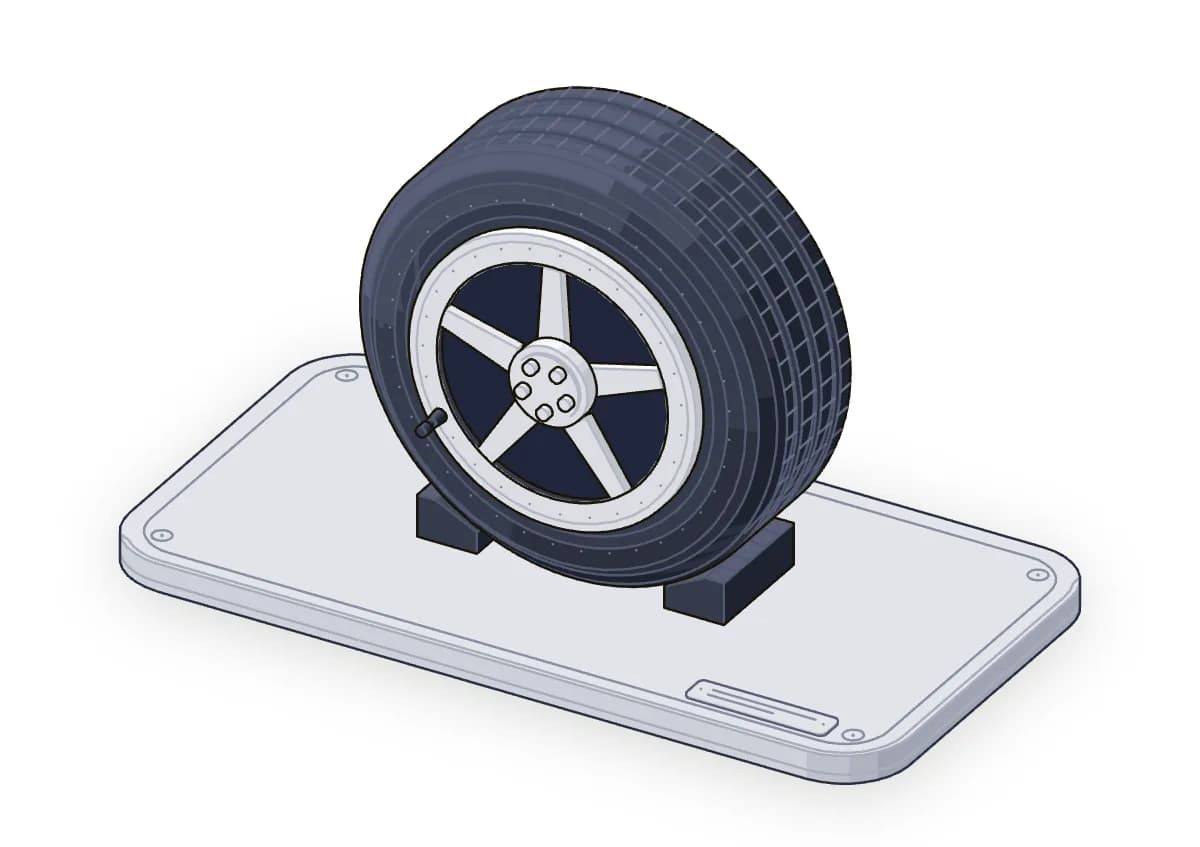
After a snow or ice event, the roads are treated and plowed, and your car gets the leftovers: slush, grit and whatever else was on the road. The post-storm car-wash line is a Maryland tradition for a reason. A few minutes of attention on your wheels and tires afterward is cheap and worth doing.
Step 1: Rinse
Road treatment and slush can cling to wheels, tires and the underside of the car. Many drivers make a habit of rinsing them off after a storm when temperatures are above freezing. Pay attention to the wheels and the areas around them, where grit and slush collect.
If it is still freezing, wait for a milder day so the water does not turn to ice on the car.
Step 2: Look Over Each Tire
Walk around all four tires and check:
- Sidewalls. Bulges or bubbles mean internal damage, and the tire should not be driven on. Cuts and cracks should be looked at by a professional.
- Tread. Use a penny or a gauge. Winter conditions are hard on tires that are already near the limit. Our tread depth guide shows how.
- Debris. Slush and grit hide nails and other sharp objects. Pull nothing out yourself if you find one, and have it checked.
Hitting a hidden pothole in a freeze-and-thaw stretch is common. If you had a hard hit, our flat tire repair page explains what can and cannot be repaired. Unlike tread punctures, which can sometimes be repaired, sidewall damage cannot be safely repaired.
Frequently Asked Questions
Many drivers do, on a day above freezing. It clears slush and grit from around the wheels.
Keep Your Tires Ready
Book an appointment for a free tread check, or browse the tire catalog if it is time for replacements.