Why Is My Steering Wheel Shaking? Balance, Wear, and Other Usual Suspects
A shaking steering wheel at highway speed often starts at the tires. Work through the usual suspects, from wheel balance to wear, and what to do next.
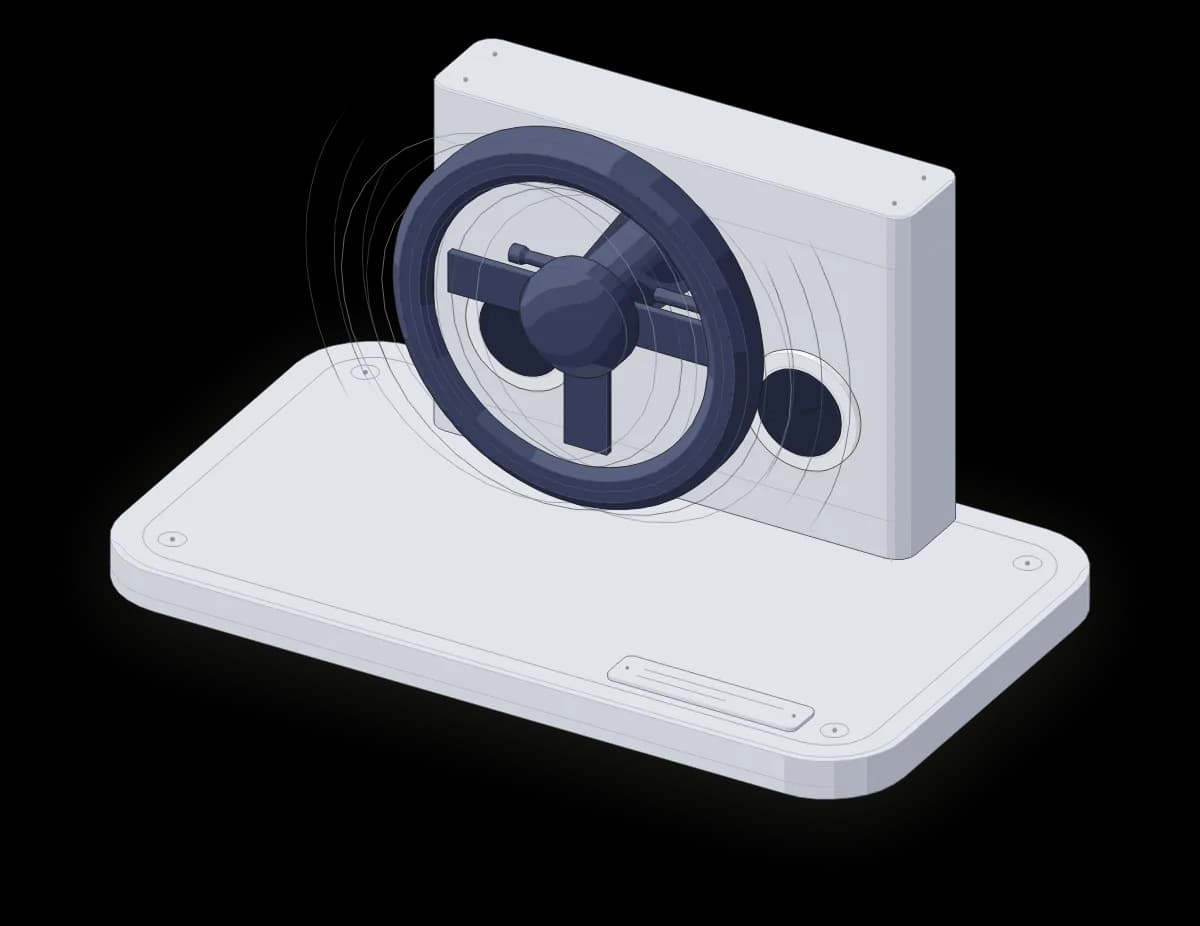
It starts gently. Somewhere past 55 or 60 miles per hour on the Beltway, the steering wheel begins to buzz. It is common, it is annoying, and it is usually worth acting on. This guide walks through the usual suspects from most to least likely, and says plainly what we can and cannot do about each.
Suspect 1: Unbalanced Wheels
Every wheel and tire assembly has tiny weight differences around its circumference. Balancing compensates for them with small weights. When the balance is off, the result is vibration and noise, and it can wear the tread faster.
Balancing is done when new tires are installed and periodically afterward, often with rotation every 3,000 to 6,000 miles. A weight can also fall off, which is a common reason a smooth ride turns shaky. This is something we do. Tire rotation and balancing is a routine service, and mounting and balancing are included when you buy tires from us, except for a few oversized sizes we cannot mount; ask us if you are unsure.
Suspect 2: Uneven Wear or a Damaged Tire
A tire that has worn unevenly or has internal damage can also cause vibration.
- Check tread across the width. Our tread depth guide shows how.
- Look for bulges and bubbles. A bulge means internal damage and the tire should not be driven on.
- Look for cuts and lumps. Deformations can indicate internal damage and should be inspected by a professional.
Frequently Asked Questions
Most often it is unbalanced wheels, but uneven tire wear, tire damage or a bent wheel can also be the cause.