Buying Guides
New or Used Tires: Five Things That Settle the Decision
Five things settle most new-versus-used tire decisions. Work through remaining tread, age, repair history and the rest in order, then where new tires go.
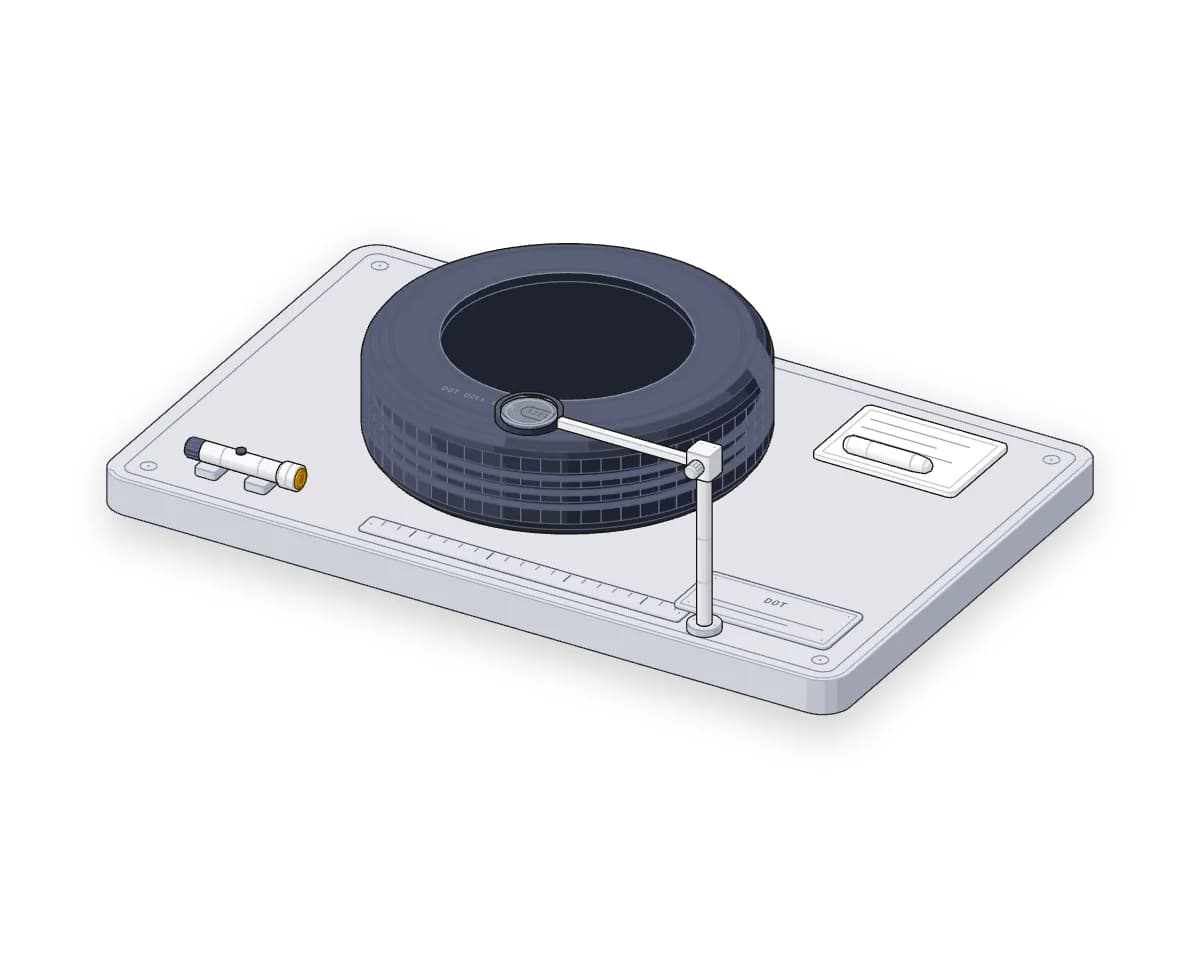
How to Decide Between New and Used
Five things settle most new-versus-used decisions. Work through them in this order.
- Remaining tread. Tread channels water away from the contact patch and bites into the road. A tire with less than 2/32 of an inch of tread in any major groove fails a Maryland safety inspection, but wet-road grip fades well before that. A used tire with little tread left is a short-term fix, not a bargain.
- Age. Rubber hardens and cracks with time whether or not the tire is driven, so low mileage does not mean young. The four-digit DOT date code on the sidewall tells you when the tire was made, down to the week. Our guide on how to read a DOT date code walks through it.
- Repair history. A tire that has been plugged, patched or driven flat may be weaker than it looks. One correctly repaired puncture in the tread can be fine. Sidewall damage cannot be repaired, and a tire that ran flat for any distance can hide internal damage.
- Your vehicle and driving. A heavy SUV, a loaded truck or a daily highway commute asks much more of a tire than a second car used for short errands.
- Budget. It is fair to let budget shape the choice, and spending less up front is a legitimate reason to look at used. Weigh it against how long the tire will last: a tire with half its tread left gives you roughly half the life, so the early saving shrinks the longer you drive.
Frequently Asked Questions
When you replace only two, put them on the rear axle. That keeps the rear tires from losing grip before the front ones.
Ready to Compare Your Options?
Start with your size and your budget, then decide tire by tire. See the new tire options for your vehicle on our new tires page.