Flat Tire: What to Do Right Now, When It Can Be Repaired, and What Run-Flats Change
Got a flat tire? Learn the safe first steps, what a spare or sealant kit can and cannot do, when a tire can be repaired, and how run-flat tires differ.
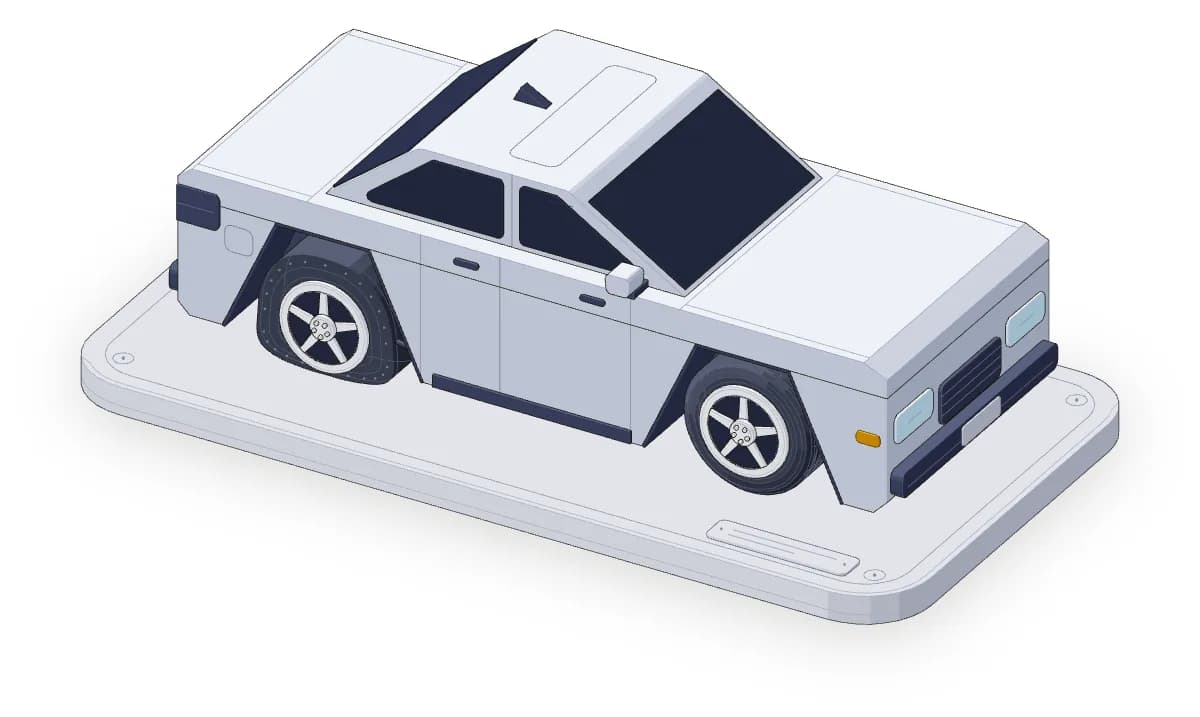
A flat tire rarely picks a good moment. What you do in the first few minutes decides whether you end up with a simple repair or a new tire. Here is the order to work in.
First Steps: Get Safe Before You Fix Anything
- Ease off the gas and hold the wheel steady. Do not slam the brakes. Let the car slow down, then steer toward a safe spot.
- Get well off the road. A parking lot, a quiet side street or a wide shoulder is far better than the lane. Turn on your hazard lights.
- Stop on firm, level ground. Soft ground or a slope makes a jack unstable. Set the parking brake and put the car in park or in gear.
- Get everyone out and away from traffic. Passengers should wait behind a barrier or well off the shoulder.
- Decide whether to change it yourself. If you are on a busy road, on a slope, or you are not comfortable doing it, call a tow or roadside help instead. Nothing about a tire is worth the risk.
If the tire is only soft and a shop is very close, driving slowly and directly there can be an option. But a tire driven flat, even briefly, can be destroyed inside while the outside looks fine. When in doubt, stop.
Need Help With a Flat?
If you are not sure whether your tire can be repaired, read about our flat tire repair or contact us to talk through the situation. If you cannot move the car, we also offer mobile tire service, and you can see what else we help with on the roadside assistance page.
Not Sure What Your Tire Needs?
If you are not sure what your tire needs, contact us or read about our flat tire repair.