What Actually Makes a Winter Tire Different: Rubber, Sipes, and the Snowflake Symbol
Winter tires are not just snow tires with a new label. See how cold-weather rubber, sipes and the snowflake symbol work, and who needs them in Maryland.
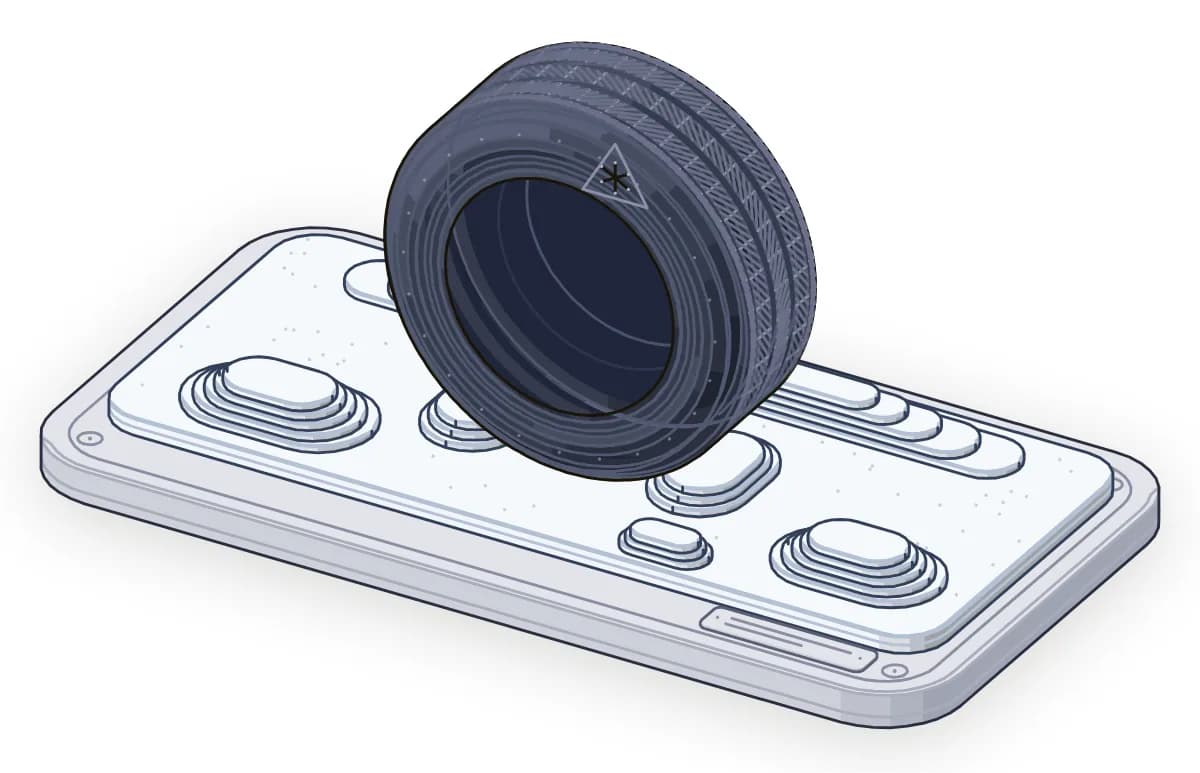
Two tires can look almost identical on a shelf and behave very differently on a frosty morning. The difference is mostly in what you cannot see: the rubber, the tread details and the standard behind the symbol on the sidewall. Here is what makes a winter tire a winter tire.
The Rubber: Why Cold Matters
Rubber changes with temperature. The compound in an all-season tire is designed to work across a wide range, but as the temperature falls, it gets harder and grips less. Winter tires use softer compounds that stay pliable in the cold, which lets the tread keep conforming to the road surface.
That is why winter tires are engineered for temperatures below roughly 45 degrees Fahrenheit, not just for snow. On a cold, dry morning, a winter tire can still be doing something an all-season tire cannot, simply because its rubber has not stiffened.
Frequently Asked Questions
No. Their softer rubber is designed for cold temperatures, below roughly 45 degrees, as well as ice and snow.
See Winter Tires for Your Vehicle
Browse winter tires, read about the tire brands in our catalog, or book an appointment and we will help you choose.