Buying Guides
When a Used Tire Is Reasonable, and Replacing Just One
Used is not a bad word. When a used tire is reasonable, such as a spare or a low-mileage car, and whether you can replace just one tire and match the rest.
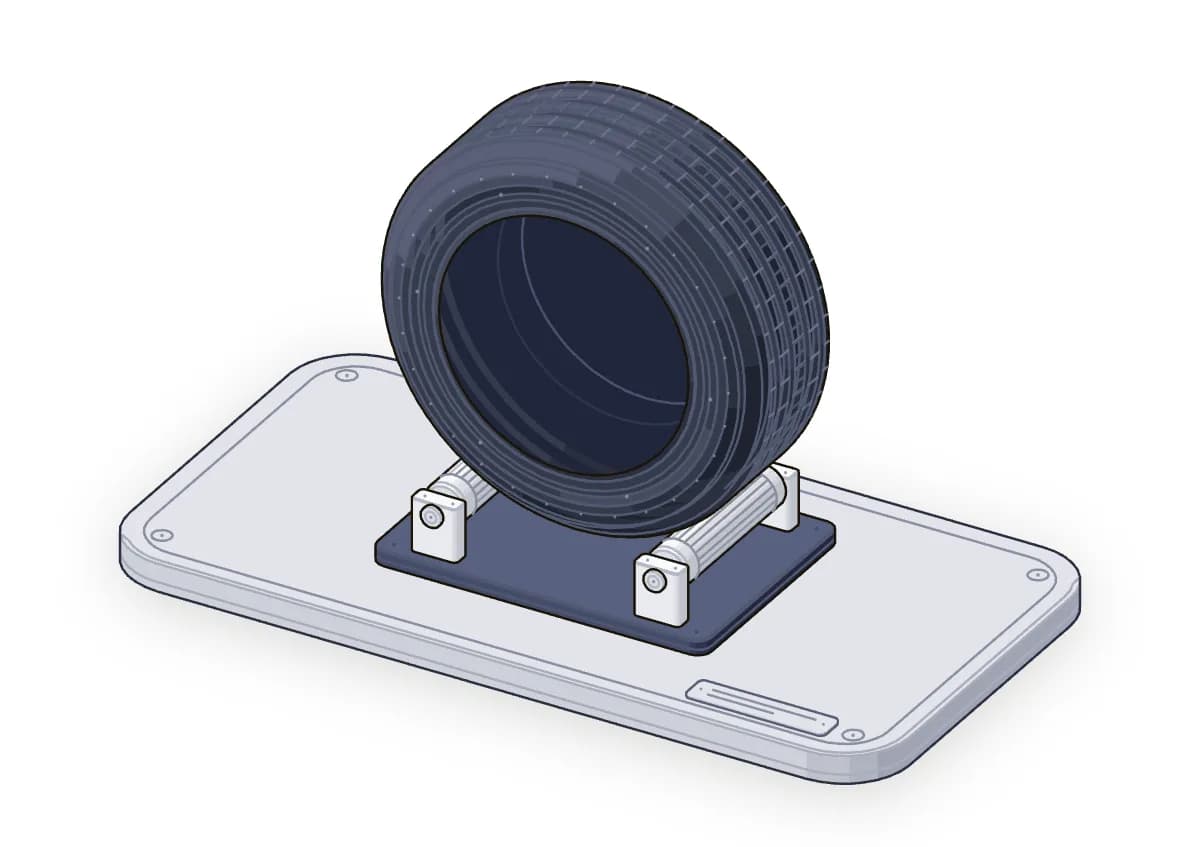
When Used Can Be Reasonable
Used is not a bad word. It makes sense when the tire passes every check above with room to spare and the job is not a demanding one.
- Replacing a single tire while the other three still have plenty of tread. A matching used tire can make more sense than a full new set. On an all-wheel-drive vehicle, a large difference in tread depth between tires can strain the drivetrain, so match closely and check your owner's manual.
- A spare that mostly sits in the trunk.
- A low-mileage car that mostly makes short trips, or a car you plan to keep for only a short time.
- A matched pair with the same size, type and similar wear, where the vehicle's other tires are in the same condition.
Frequently Asked Questions
Often, yes, if the new tire matches the size and type of the others and the tread depths are close. On an all-wheel-drive vehicle, check the owner's manual first.
What Did I Miss About New Vs Used Tires?
- Decide on the condition of the specific tire, not on the label. Remaining tread, age from the DOT date code, repair history and visible damage matter more than whether a tire is new or used.
- New is the safer choice for the rear axle, wet and winter driving, towing and long highway miles.
- Used can be reasonable for a spare, a low-mileage car or replacing a single tire to match the others, as long as the tire passes every check below.
- Walk away from any used tire whose date code you cannot read or whose damage you cannot explain.
Ready to Compare Your Options?
Start with your size and your budget, then decide tire by tire. See the new tire options for your vehicle on our new tires page.