All-Weather Tires For Maryland Drivers: What To Compare
Looking for one set of tires for July storms and January dustings? See what to compare in all-weather tires and three models Maryland drivers ask us about.
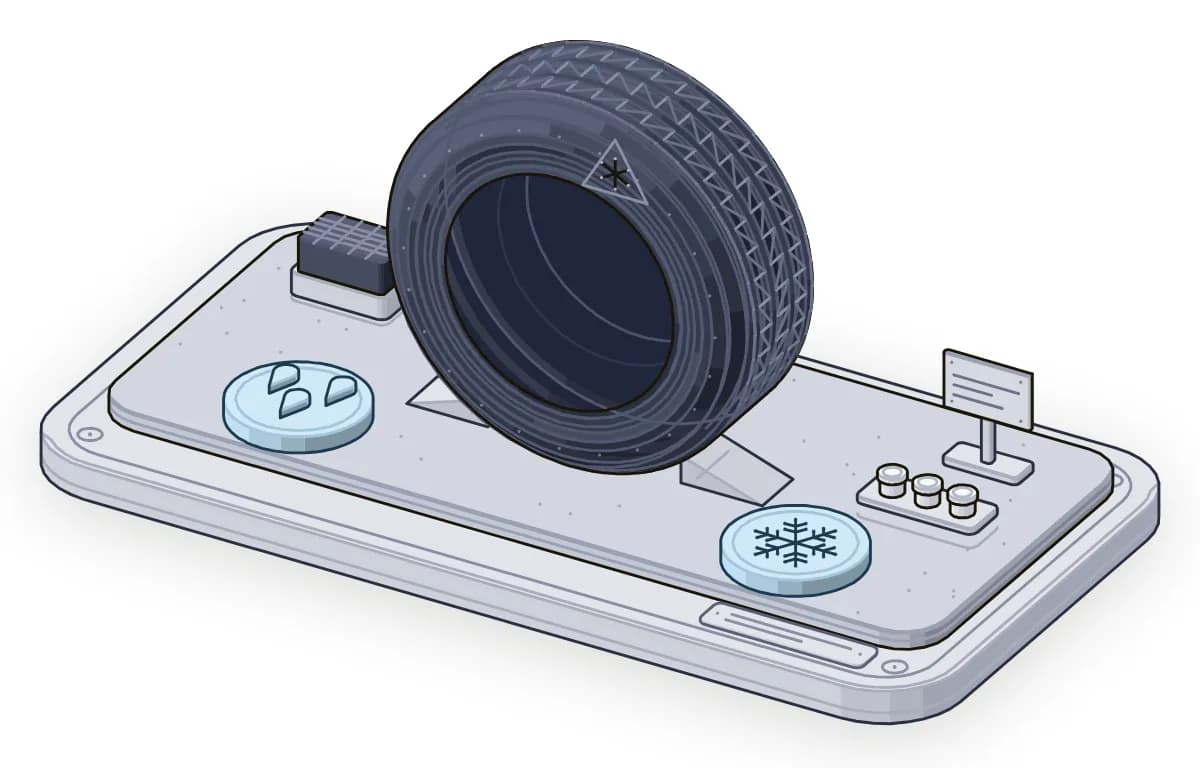
The question we hear most in autumn is some version of "I want one set of tires that works all year, including the two mornings it snows." That is the all-weather category. This guide explains who benefits, what to compare, and three models in our catalog that customers ask about.
Who Actually Benefits From All-Weather Tires
All-weather tires suit drivers who want to skip the twice-a-year swap and still want a real snow rating. They tend to make sense for:
- Commuters who drive in whatever the day brings, from July thunderstorms to a January dusting.
- One-car households with no room to store a second set.
- Drivers in areas with seasonal snowfall and reliable plowing, which describes most of Prince George's County.
They are a compromise. They handle snow better than a standard all-season tire, but they cannot match a dedicated winter tire in severe cold or heavy snow. If you regularly drive rural roads, hills or early shifts in winter, look at winter tires instead.
Frequently Asked Questions
For many drivers, yes. They handle snow better than a standard all-season tire and suit areas with seasonal snowfall and reliable plowing. For frequent snow, ice or hilly rural roads, a dedicated winter tire gives more margin.
Find Your Size
Browse all-weather tires or book an appointment and we will help you compare options for your vehicle.